
The thrill of uncertainty
The allure of gambling often stems from the thrill associated with uncertainty. Many individuals find the unpredictability of outcomes exhilarating. This rush can trigger a release of dopamine, a neurotransmitter linked to pleasure and reward. When participants place a bet, they engage in a psychological dance with fate, balancing the intoxicating fear of loss against the potential for immense gain, especially when considering casinos sister sites that offer similar experiences. This interplay of risk and reward is at the heart of what makes gambling so compelling.
The psychological push-pull can lead to a heightened state of arousal, where the excitement of not knowing what will happen next captivates the mind. For many, the anticipation before the outcome is where the real excitement lies. Each roll of the dice or turn of the card becomes a moment filled with potential, fostering an environment where hope and possibility thrive. In a world often filled with predictability, the chaos of gambling feels liberating and invigorating, making it a unique escape.
Furthermore, this uncertainty is often amplified in social settings. When people gamble in groups, the shared experience of waiting for results can create collective anticipation. The cheering, groaning, or gasping of fellow players heightens the emotional rollercoaster, making the act of gambling not just about personal risk but also communal excitement. This shared thrill is an essential aspect of the gambling experience, adding layers to its psychological appeal that can transform a solitary endeavor into a vibrant social event.
The role of addiction and compulsion
Understanding the psychological underpinnings of gambling also involves exploring addiction and compulsion. For some, gambling can quickly evolve from a casual pastime to a compulsive behavior that disrupts their lives. Research indicates that certain individuals may have a predisposition to addictive behaviors due to genetic, environmental, or psychological factors. This predisposition can turn gambling into a relentless pursuit of pleasure, often overshadowing the negative consequences that accompany it.
The cycle of chasing losses is a familiar narrative among problem gamblers. Once someone experiences a significant loss, their instinctive reaction is often to gamble more in hopes of recouping what was lost. This compulsive behavior creates a vicious cycle, where the thrill of winning feels eternally elusive. Gamblers may find themselves ensnared in a trap where financial setbacks and emotional distress only intensify their desire to pursue riskier bets, perpetuating a harmful cycle that is difficult to break.

Moreover, the instant gratification provided by gambling can exacerbate compulsive behavior. Unlike other forms of entertainment, the immediate feedback loop of wins and losses keeps the excitement alive and can lead to repeated engagement. The brain may become wired to seek out gambling as a primary source of dopamine release, creating a dependency that complicates the ability to gamble responsibly. This complex interplay between thrill and addiction is crucial to understanding why people are drawn to these activities and why some struggle to maintain control.
The psychological benefits of gambling
While gambling is often criticized for its negative consequences, it also offers psychological benefits that attract many participants. Engaging in games of chance can provide an escape from daily stressors, acting as a form of entertainment that enables individuals to momentarily forget their problems. The immersive nature of gambling, whether in physical establishments or online platforms, can serve as a distraction from life’s challenges, providing a temporary reprieve that many find appealing.
Additionally, gambling can foster a sense of community and belonging. Many participants frequent the same venues, establishing relationships and camaraderie with fellow gamblers. This social aspect can enhance one’s confidence and sense of identity, offering a supportive network where members share interests and experiences. Positive social interactions can be incredibly fulfilling and serve as motivation to return, reinforcing the attraction to gambling as a social activity that brings people together.
Moreover, the act of gambling can stimulate strategic thinking and cognitive skills. Many games require players to make quick decisions, assess risks, and develop strategies to improve their chances of winning. This mental engagement can be intellectually stimulating and rewarding for individuals who enjoy challenging themselves. Thus, while gambling carries risks, it can also present opportunities for personal growth and social connection, revealing an often-overlooked side of this multifaceted activity.
The impact of marketing and environment
The environment in which gambling occurs plays a significant role in shaping participants‘ experiences and perceptions. Casinos and gambling venues are typically designed to create an atmosphere of excitement and allure. Designers use vibrant colors, captivating sounds, and enticing aromas to stimulate the senses and create a thrilling environment. This strategic design encourages longer stays and increased spending, further reinforcing the psychological desire to gamble and amplifying the overall experience.
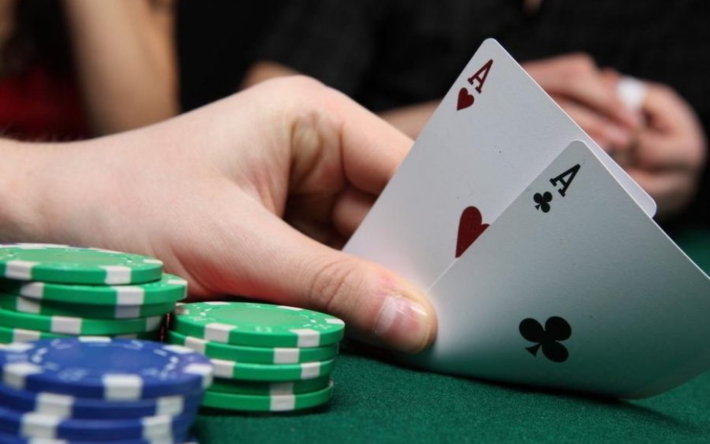
Moreover, marketing techniques employed by gambling establishments target emotions and desires. Advertisements often highlight the potential for significant wins and the glamorous lifestyle associated with gambling. By presenting gambling as an exciting and accessible activity, marketers appeal to individuals‘ aspirations and fantasies, drawing them into the gambling world. This targeted marketing can create an illusion of control and opportunity that resonates with many, even those who may not be predisposed to gamble.
Additionally, the rise of online gambling has transformed the landscape, making it more accessible than ever. The ease of placing bets from home, coupled with tailored promotions and rewards, amplifies the allure of gambling. This convenience impacts individuals‘ psychological readiness to gamble, tying into broader themes of instant gratification and convenience in modern life. The intersection of marketing, environment, and individual psychology shapes the gambling experience, making it more enticing and complex, and often blurring the lines of responsible engagement.
Exploring responsible gambling
The discussion of gambling psychology wouldn’t be complete without addressing the importance of responsible gambling. Understanding the psychological triggers and motivations behind gambling can empower individuals to make informed decisions about their participation. By fostering awareness of addiction potential and the emotional responses tied to gambling, people can better manage their behaviors and expectations, setting themselves up for a healthier relationship with gambling.
Responsible gambling initiatives focus on educating players about the risks and providing tools for self-regulation. Implementing limits, setting time restrictions, and recognizing the signs of problematic gambling are essential steps in promoting healthier behaviors. These initiatives aim to create a balanced perspective, allowing individuals to enjoy gambling without succumbing to its pitfalls, making informed choices that prioritize their well-being.
Furthermore, support systems play a crucial role in cultivating a responsible gambling culture. Communities, friends, and family can provide the necessary encouragement and accountability for individuals engaging in gambling activities. By fostering open conversations about boundaries and experiences, society can help mitigate the risks associated with gambling while still allowing people to enjoy its thrills responsibly, emphasizing that enjoyment does not have to come at the cost of mental health or financial stability.