
The Allure of Risk and Reward
The thrill of casino gambling lies at the intersection of risk and reward, where the heart races as stakes increase. For many, the excitement originates from the chance to win large sums of money quickly. This psychological phenomenon is often fueled by the dopamine release triggered when a player anticipates a win. The brain, conditioned to seek pleasure, finds gambling irresistible as the possibility of a payout amplifies emotions, creating a cycle that keeps players returning for more. In fact, many players enjoy features like payid pokies that enhance their gaming experience, making it not just about money but also about the emotional highs and lows that accompany gambling.
This cycle is deeply ingrained in human behavior; the excitement of risk-taking can be traced back to evolutionary traits where risk often led to reward, enhancing survival. In a casino environment, these evolutionary instincts are manipulated by the structure of games, odds, and the sensory overload of lights and sounds designed to entice players. The immediate gratification experienced in gambling, coupled with the potential for significant loss, creates a potent blend of adrenaline and anxiety that keeps participants engaged. It is this combination of anticipation and outcome that makes gambling so compelling.
Moreover, the concept of “near misses” plays a significant role in sustaining the gambling experience. When players come close to winning, the brain interprets this as a sign of potential success, which can trigger more gambling behavior. Casinos deliberately engineer experiences that result in near misses, making it easier for players to rationalize their continued participation. This psychological trickery can lead to heightened levels of engagement, reinforcing the cycle of play despite financial losses. Understanding this mechanism helps to illuminate why many players continue to gamble, often against their better judgment.
The Role of Cognitive Biases
Cognitive biases, such as the illusion of control and the gambler’s fallacy, profoundly influence gambling behavior. The illusion of control manifests when individuals mistakenly believe they can influence outcomes in games of chance, such as poker or dice games. This misplaced confidence drives players to take significant risks, often leading to increased financial losses. For instance, a player might believe that they can select specific lottery numbers or that personal strategies in games can sway results, despite the inherent randomness involved. This belief can lead to a dangerous cycle of repeated play and escalating bets.
The gambler’s fallacy, on the other hand, occurs when individuals mistakenly assume that past events can predict future outcomes. For example, a player might think that a slot machine is due for a win after a series of losses. Such misinterpretations of chance can result in persistent gambling behavior, as individuals chase losses while adhering to flawed reasoning. This cognitive distortion can make it exceptionally difficult for gamblers to recognize when they should stop playing. The combination of these biases creates a perfect storm for compulsive gambling behavior.
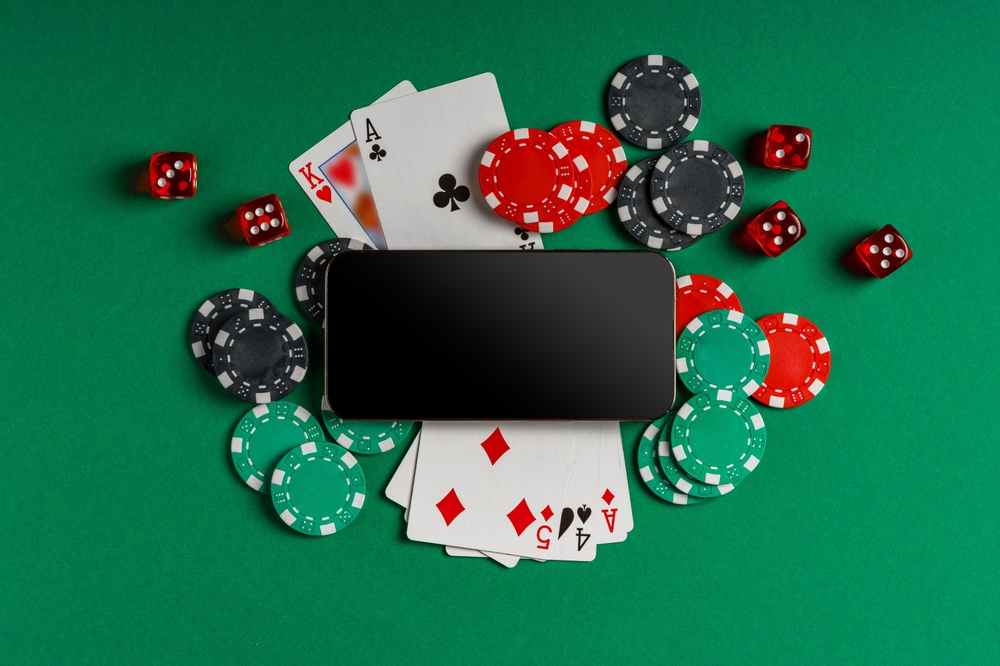
These biases are reinforced by the environment in which gambling takes place. The design and ambiance of casinos, combined with the social interactions among players, create an atmosphere that validates these cognitive distortions. Emotional experiences associated with winning, even if infrequent, can overshadow the more prevalent experiences of loss, further complicating an individual’s perception of their gambling behavior. The casino’s environment can warp an individual’s sense of reality, making it challenging to see the financial and emotional consequences of their actions.
The Influence of Environment and Social Factors
The environment of a casino plays a vital role in shaping the psychological experience of gamblers. From the vibrant lights to the strategically designed layouts, every element is carefully curated to enhance the thrill of gambling. The sounds of ringing slot machines and celebratory cheers add to the immersive experience, reinforcing the idea that winning is always just around the corner. This sensory overload can lead to a state of euphoria, often referred to as the “gambler’s high,” where players feel invincible and are more likely to take risks. This heightened state of excitement can overshadow rational thinking and lead to poor decision-making.
Social factors also substantially impact gambling behavior. Casinos intentionally cultivate a social atmosphere, encouraging players to interact and share experiences, which can bolster an individual’s desire to gamble. Group dynamics can amplify the excitement as friends or family members cheer each other on, creating a sense of camaraderie that propels players to keep participating. The presence of others can also lead to peer pressure, pushing individuals to gamble more than they might if they were alone. This social aspect can create a feedback loop that further entrenches gambling behavior.
Furthermore, the normalization of gambling in society contributes to its psychological allure. With an increasing number of states legalizing various forms of gambling, including sports betting and online gaming, the perception of gambling as a socially acceptable activity has evolved. This shift can reduce the perceived risks associated with gambling and encourage participation. As individuals see friends and family engaging in gambling activities without apparent negative consequences, they may feel more inclined to do the same, thereby increasing overall gambling activity. This societal acceptance can further exacerbate the problem for those susceptible to gambling addiction.
The Emotional Rollercoaster of Winning and Losing
The emotional experience associated with gambling is often likened to a rollercoaster ride, complete with thrilling highs and devastating lows. The anticipation of winning can lead to extreme feelings of joy and excitement, reinforcing the behavior and compelling individuals to gamble again. This emotional peak is usually followed by the inevitable drop of loss, which can be psychologically taxing. Many players find it challenging to cope with losses, leading to a cycle of gambling to recover funds, which often results in even greater losses. This emotional cycle is crucial to understanding the persistence of gambling behaviors and the difficulty in breaking free from them.

Emotions play a pivotal role in decision-making processes during gambling. Players often rely on their feelings rather than rational thinking when faced with choices. The rush of excitement may overshadow sound judgment, leading individuals to make impulsive decisions that contribute to financial difficulties. Understanding this emotional rollercoaster helps clarify why many gamblers struggle to exit the cycle, even when faced with the reality of their losses. The interplay of emotion and cognition in gambling decisions is a critical area for further exploration.
In addition, gambling can serve as a coping mechanism for various emotional or psychological issues. For some, the thrill of gambling temporarily alleviates stress or anxiety, providing an escape from daily challenges. However, this reliance can create a dangerous dependency, where individuals increasingly turn to gambling as a solution to their problems rather than addressing underlying issues. Recognizing this emotional connection is crucial for supporting individuals in overcoming unhealthy gambling behaviors, allowing for a more holistic approach to treatment and recovery.
Understanding Gambling Resources and Support
Understanding the psychology behind gambling is essential for recognizing the potential pitfalls and supporting those who may struggle with gambling addiction. Many resources offer help, including therapy, support groups, and educational programs aimed at increasing awareness about the risks associated with gambling. These resources can empower individuals by providing tools and strategies to manage their impulses and make informed decisions regarding gambling. Support systems can play a vital role in recovery, offering a sense of community and shared understanding.
Moreover, it is crucial for casinos and gambling establishments to promote responsible gambling practices. Many institutions have adopted policies to create a safer environment for players, such as implementing self-exclusion programs and enhancing awareness campaigns about the risks of addiction. By fostering a culture of responsible gambling, they can lessen the negative psychological impacts associated with gambling environments. Education and awareness are key components in reducing the incidence of gambling-related harm.
Online platforms also present unique challenges and opportunities, as the ease of access may exacerbate gambling behaviors. Therefore, it is vital to equip individuals with the knowledge and skills to navigate online gambling responsibly. Understanding the psychological triggers at play helps individuals recognize when to seek help, thereby promoting healthier gambling habits and fostering a supportive community for those affected by gambling-related challenges. In this digital age, a proactive approach to gambling education is essential for safeguarding mental health and well-being.